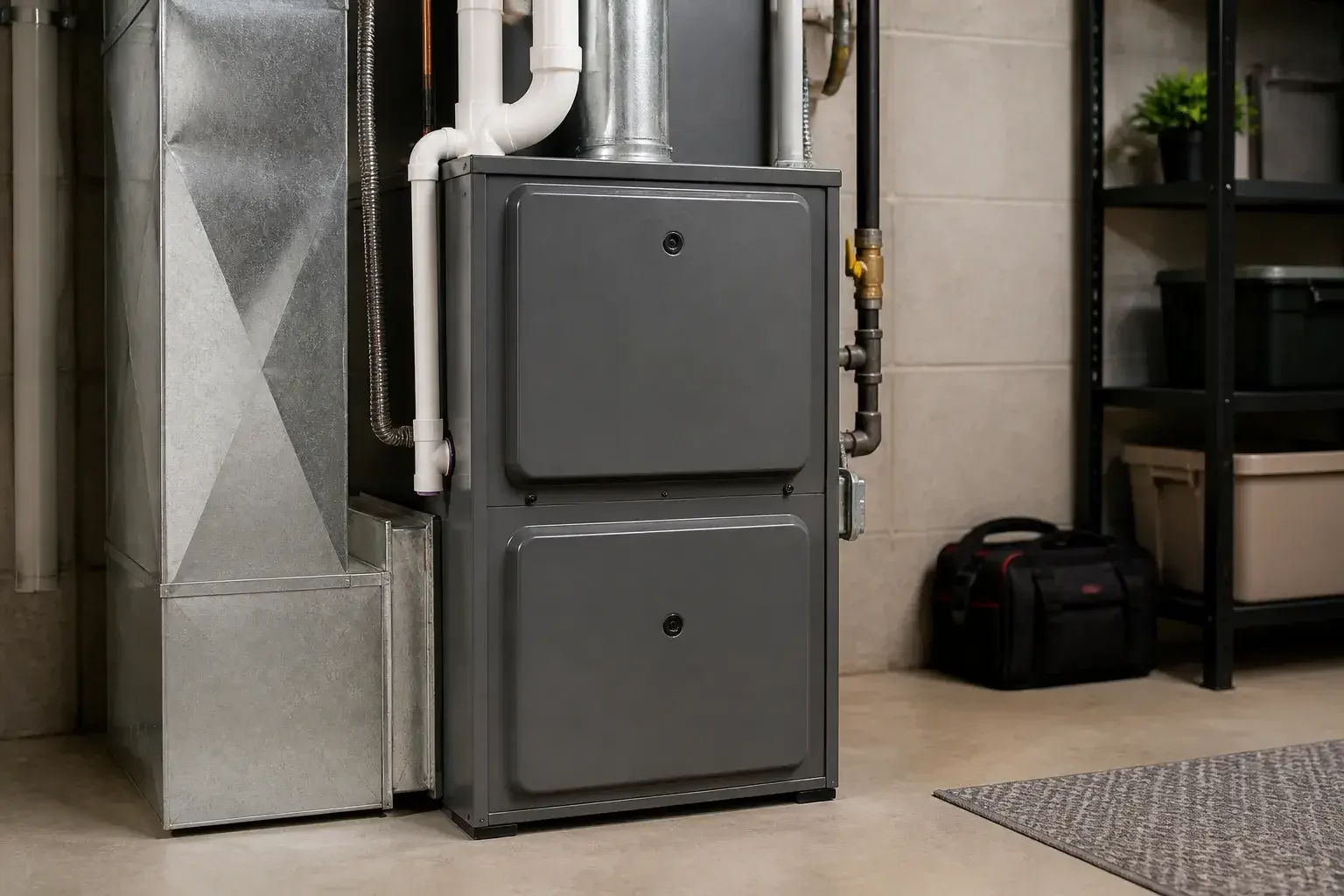
Furnace Repair in Longmont, CO
Cold rooms and noisy systems can point to furnace trouble that needs a careful repair.
If your furnace is blowing cool air, cycling on and off, or making a sound you have not heard before, something is off. A heating system that struggles to keep up can turn a normal day into a house full of cold rooms, uneven temperatures, and growing concern about what will fail next.
The next step is simple: have the problem looked at before it gets worse. Pine Hollow HVAC helps homeowners in Longmont with furnace repair that gets to the cause, not just the symptom, so you can get steady heat back without guesswork.
Warning signs
A furnace does not have to stop completely before it needs attention. Small changes often show up first, and those changes can tell you a lot about what is happening inside the system.
- Weak airflow: If warm air is barely coming through the vents, the furnace may be struggling with a blocked component, blower issue, or another internal fault.
- Short cycling: A furnace that starts, runs briefly, and shuts down again is often reacting to a safety issue, a control problem, or restricted airflow.
- Uneven heat: If some rooms feel comfortable and others stay chilly, the furnace may not be distributing heat the way it should.
- New noises: Banging, scraping, rattling, or whining sounds usually mean a part is loose, worn, or working harder than normal.
- Burning or unusual odor: A smell that does not go away after startup should be checked promptly so the cause can be identified.
- Higher utility use: If the furnace seems to run more often than it used to, it may be losing efficiency because of a repair issue.
If you notice one or more of these signs, the safest move is to stop guessing and have it checked. What starts as a minor problem can turn into a larger one if the system keeps running under strain.
Common causes
Furnace trouble usually comes from a specific part or condition that can be identified during a repair visit. The goal is to find the source of the issue and fix it in a way that makes sense for the system.
- Ignition trouble: If the furnace struggles to light or will not stay lit, the issue may involve the igniter, flame sensor, or another ignition-related component.
- Airflow problems: A clogged filter, blocked vent path, or blower issue can limit airflow and make the furnace shut down or heat poorly.
- Thermostat mismatch: Sometimes the furnace is fine, but the thermostat is sending confusing signals or not calling for heat correctly.
- Electrical faults: Loose wiring, failed switches, or control issues can keep the furnace from starting or cause it to operate unpredictably.
- Worn mechanical parts: Motors, belts, and moving components wear out over time and can create noise, weak performance, or repeated shutdowns.
- Safety shutdowns: The furnace may stop itself if it detects a condition that could damage the system or create unsafe operation.
In many homes, more than one issue can be present at once. That is why a repair visit should look at the whole system and not just the part that seems obvious from the outside.
What we check
Pine Hollow HVAC approaches furnace repair with a focus on what is actually causing the heating problem. We look at the operating symptoms, inspect the relevant parts of the system, and narrow down the fault before recommending a repair path.
Key areas
- Startup and shutdown behavior: We check how the furnace begins a cycle, how it runs, and why it may stop early or repeat cycles.
- Air movement: We look for signs that airflow is limited, uneven, or interrupted by a system issue.
- Heating response: We confirm whether the furnace is producing and delivering warm air the way it should.
- Visible wear: We inspect components for signs of age, looseness, damage, or failure that match the symptoms you are seeing.
- Control signals: We check whether the thermostat and furnace are communicating properly.
This kind of focused approach helps avoid unnecessary work and keeps the repair centered on the real problem. If a small fix can solve it, we will look for that first. If a part needs replacement or a deeper repair is required, we explain that clearly before moving ahead.
Repair process
Many homeowners want to know what happens during a furnace repair visit. The process should feel straightforward, not confusing.
- Listen to the symptoms: We start by asking what you have noticed, including noises, weak heat, cycling issues, or startup problems.
- Inspect the furnace: We examine the system to see which components match the complaint and where the failure may be coming from.
- Test operation: We run the furnace and check how it responds so we can confirm the issue under real operating conditions.
- Explain the fix: We describe what is wrong, what needs attention, and what the repair is meant to correct.
- Complete the repair: Once the needed work is identified, we make the repair and verify that the furnace is operating properly again.
A good repair visit should leave you with a clearer understanding of the system, not more confusion. If another concern shows up during the visit, we point that out so you know what is happening and why it matters.
When to act
Some furnace problems can wait a little while, but others should not be ignored. The difference usually comes down to how the system is behaving and whether the problem is getting worse.
- Act soon: If the furnace is heating unevenly, making new noises, or shutting off more often than usual, the issue is likely progressing.
- Act now: If the system will not start, blows cold air, or gives off a smell that concerns you, it is time to stop using it until it is checked.
- Act before peak demand: If your furnace is already acting up before colder weather settles in, getting ahead of the problem can prevent a no-heat situation later.
Catching furnace trouble early often makes the repair simpler. It can also help protect other parts of the system from extra wear caused by continued operation under strain.
Why homeowners call us
Pine Hollow HVAC serves Longmont and Boulder County homes with furnace repair, AC installation and maintenance, heat pumps, and duct cleaning. For furnace work, homeowners call us because they want a direct answer and a repair that addresses the specific problem they are facing.
We keep the service practical and focused on the system in front of us. If your furnace has one clear fault, we work to isolate it. If the symptoms point to a broader issue, we sort through the possibilities carefully so you are not left replacing parts blindly or repeating the same repair later.
We also understand that furnace problems can affect the whole household quickly. A heating issue can disrupt sleep, make daily routines uncomfortable, and leave you wondering whether the furnace is safe to keep running. Our job is to make the next step clear and manageable.
Homeowner tips
You can help your furnace perform better by noticing small changes early and keeping the system from getting pushed too hard.
- Watch the filter: A dirty filter can restrict airflow and contribute to overheating, shutdowns, or weak heat.
- Notice new sounds: A furnace that suddenly gets louder is often telling you something has loosened or worn out.
- Compare rooms: If one room feels fine and another never warms up, the furnace may not be distributing air evenly.
- Pay attention to cycling: Frequent starts and stops are worth noting because they often point to a developing problem.
- Do not keep testing it endlessly: Repeatedly restarting a malfunctioning furnace can add stress without solving the cause.
These small observations can make a repair visit more useful because they help narrow down what changed and when.
Common questions
Why is my furnace blowing cool air?
A furnace can blow cool air for several reasons, including ignition trouble, airflow restrictions, or a control issue that keeps the system from heating normally.
Why does my furnace keep turning off?
Short cycling often means the furnace is responding to a problem such as restricted airflow, a safety trigger, or a faulty component that needs attention.
What does a loud furnace usually mean?
Banging, squealing, or rattling can point to loose parts, worn components, or airflow issues that should be checked before they create more damage.
Why is heat uneven from room to room?
Uneven heating can happen when the furnace is not moving air correctly or when the system is struggling to maintain consistent output.
Should I keep running the furnace if it smells unusual?
If a smell seems abnormal or does not go away after startup, it is smart to have the furnace checked before continuing to use it.
Can a furnace problem get worse if I wait?
Yes. A small repair issue can put stress on other parts of the system, which is why early attention usually helps avoid a bigger breakdown.
Get help here
If your furnace is not heating the way it should, Pine Hollow HVAC is ready to help you get to the cause. From weak airflow to noisy operation and repeated shutdowns, we handle furnace repair with a practical approach that fits the problem in front of us.
Serving homes in Longmont, Boulder, Niwot, and Firestone, we work to restore steady heat and give you a clear path forward when your furnace starts acting up.
How We Work
A Clear HVAC Process
Every job starts with a careful look at the issue and a direct explanation of what your system needs.
Check the System
We inspect the equipment, airflow, and symptoms before recommending a next step.
Explain the Options
You get a plain-language explanation of the repair, replacement, or maintenance that makes sense.
Complete the Work
We finish the job carefully and leave your home ready for comfortable use.
FAQ
Common HVAC Questions
If you have a question about your system or your next step, send us a message and we will help you sort it out.
How do I know if my furnace needs repair or replacement?
A system check can show whether the issue is a repairable part or a larger problem. We explain what we find in clear terms.
When is the best time to install a new air conditioner?
Spring is often a good time to plan ahead before summer heat arrives. That said, we can help whenever your current system is no longer keeping up.
Are heat pumps a good fit for my home?
Heat pumps can be a smart option for many homes that want efficient heating and cooling from one system. We can help you look at the setup and options.
Why should I have my ducts cleaned?
Dust and buildup in ductwork can affect airflow and indoor comfort. Cleaning can help your system move air more freely.
What areas do you serve?
Pine Hollow HVAC serves Longmont, Boulder, Niwot, and Firestone. We work with homeowners across Boulder County.
Get started
Talk With a Local HVAC Team
Tell us what your home is dealing with, and we will help you decide on the right repair, installation, or maintenance service.